The “Fitting In” Trap vs. True Belonging
Understanding the “Fitting In” Trap
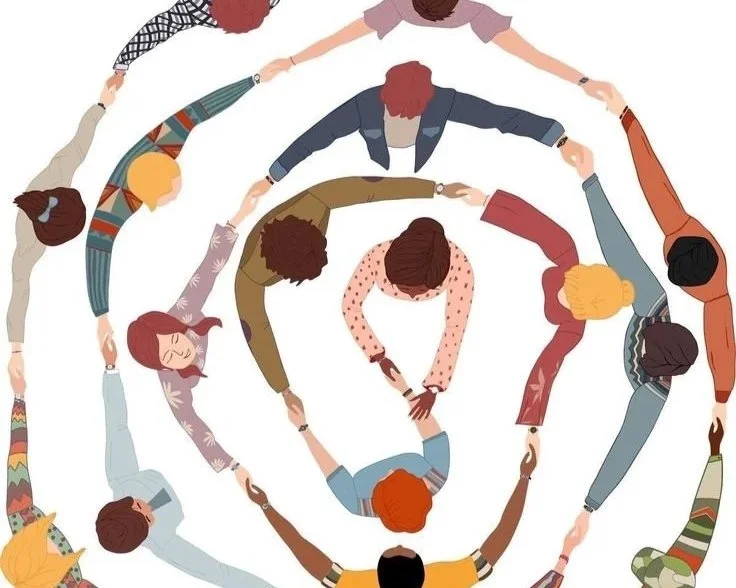
The need to belong is a fundamental aspect of human nature. In fact, it is a part of our survival— it drives us to seek out social interaction, allows for us to learn and communicate, and on a larger scale, it creates community and prompts other necessary human interactions.
Many of our motivations, interactions, and decisions are led by the need to belong. Even though the need to belong is so engrained in our composition, it can cause negative effects to our mental health. When our sense of belonging is threatened, meaning we don't feel like we belong, it can cause dissatisfaction within ourselves. This dissatisfaction can negatively affect our mental health. One’s sense of belonging can be threatened anywhere, whether it’s in school, work, healthcare, politics, community settings, or social settings, both in-person or online.
The most prominent time the need to belong shows up is during adolescence, especially within school and social settings. One´s sense of belonging becomes heightened during this time as new friendships, relationships, social interactions are gained. This is a time where one can easily fall into the “fitting in” trap. It’s completely normal and may be difficult to avoid, but fitting in doesn’t mean it’ll make you happy or satisfied in the long term.
The Difference between “Fitting In” and True Belonging?
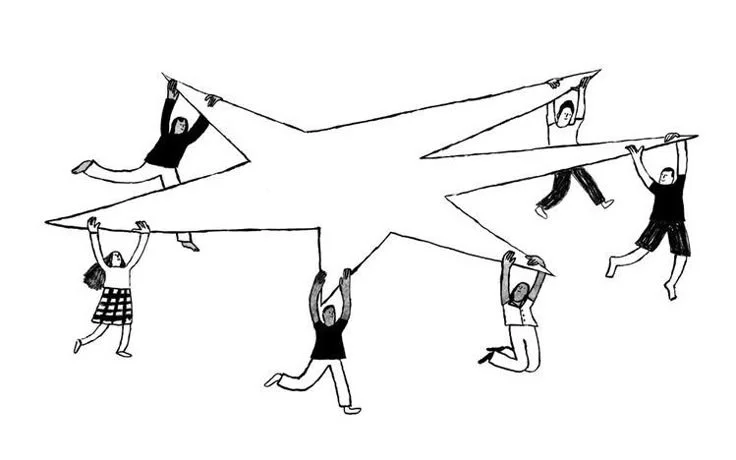
You may be asking if there is even a difference between fitting in and true belonging? The answer is, yes. Psychologist, Brené Brown, highlights that there is a distinct difference between the two. She explains that fitting in forces us to change who we are, and conform to what we think we need to be. In fact, “fitting in” is a barrier to true belonging–it requires us to conform and change who we are. True belonging doesn’t ask us to change who we are, it simply asks us to be who we are.
True belonging begins with ourselves. This means exploring and honoring your authentic self without judgment or trying to change yourself. True belonging means you stand and act for what you value and believe in. True belonging differentiates from fitting in because fitting in requires us to change who we are in some way. Avoiding the “fitting in” trap means you steer your own boat, you live and do things as you. The want to fit in and be surrounded by certain people is completely normal, but living as you will bring and keep the people who are meant to be in your life. Being true to yourself and surrounding yourself with those who make you feel like you don’t have to change will mean that you already “fit in” with the people you’re supposed to be surrounded by.
If you find yourself becoming anxious or down when you feel like you have to change in order to belong, try some grounding techniques like breath work, listening to some music, or going outside. Try to make a list of things that you like about yourself, things that you have accomplished, things you are good at, or things you like to do. Reviewing these things can bring a state of positivity and remind you of the qualities you already have! You can also take this as an opportunity to try new things, perhaps a need or want of change is contributing to your anxiety. This can be a time to explore even more what makes you, you.
There is no set criteria to what “fitting in” looks like, so doing what you like will bring far more satisfaction and happiness than any trend, style, or fad that you feel you need to conform to. It’s completely normal to want to fit in, but remember that true belonging doesn’t require you to change who you really are.
