Understanding Anxiety in Youth
An estimated 25% of youth aged 13 to 18 have suffered from anxiety disorders. Learn more about the types of anxiety orders, best practices for anxiety management and prevention, and resources to share with and educate others.
What are anxiety disorders?
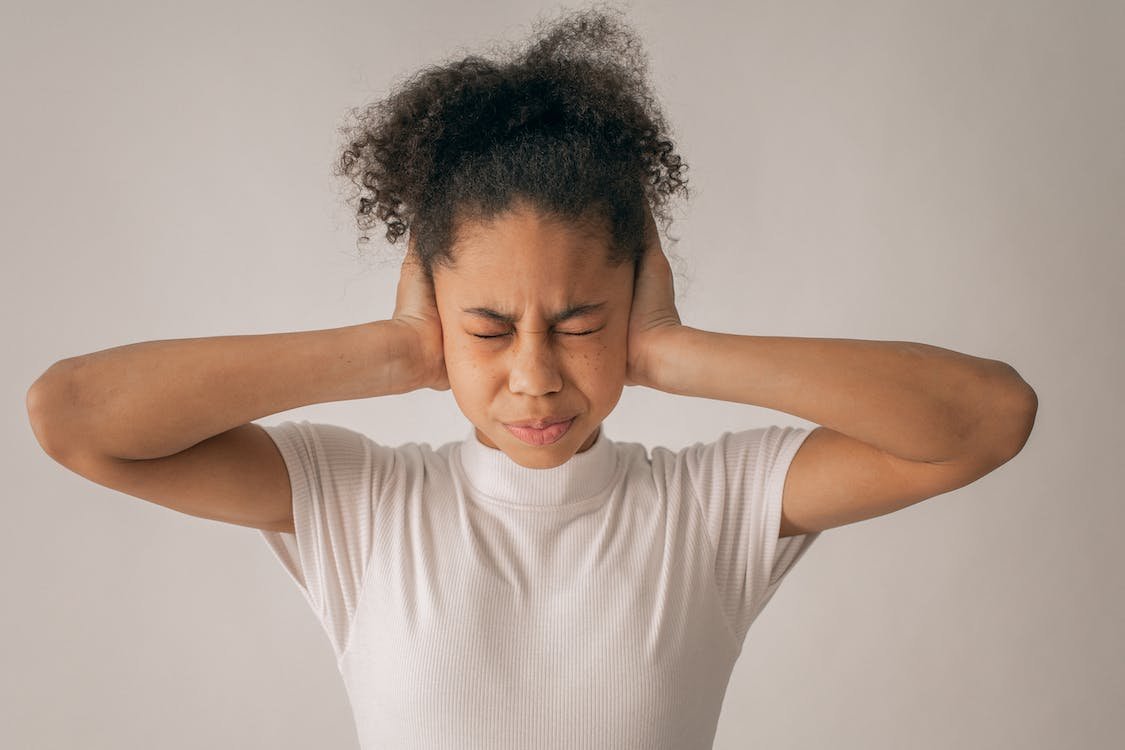
Anxiety is a broad term used to describe feelings of worry, unease, and nervousness. It’s normal for children and teenagers to feel anxious during specific events that are unfamiliar, upsetting, and stressful — like the first day of school, examinations, recitals, or when they have to leave their parents' or caretaker’s side. However, if anxiety persists in everyday life without being caused by a specific event, this could be caused by an anxiety disorder.
According to the Child Mind Institute, anxiety disorders are a group of psychiatric disorders in which individuals feel significant anxiety either out of proportion to an event or happens without any observable cause.

Check out this infographic from Newport Academy
for more information about teen anxiety

How do anxiety disorders impact young teens and kids?
A child might have an anxiety disorder if an overwhelming feeling of anxiety impacts their behavior at school and home. They might struggle to participate in the classroom, engage with peers in social settings, or remain calm when asked to perform everyday tasks.
You’ll see these persisting habits interrupt their daily activities:
Difficulty sleeping
Physical symptoms like stomach aches, headaches, nausea, and sweating
Always wants to be around parents or caretakers
Difficulty concentrating and staying still in class
Irritation and tantrums
Self-conscious with a tendency to avoid situation
Types of anxiety disorders + signs and symptoms
-
Description text goes hereA child may have GAD if they worry excessively about everyday events at home and around them, relationships with family and peers, performance in school, or health. Children will find themselves unable to control their worry and often deal with the following symptoms for at least six months:
Restlessness
Feeling on edge
Exhaustion or fatigue
Difficulty concentrating
Anger, frustration, and irritability
Trouble sleeping
Muscle tension
Stomach aches or diarrhea
-
panic disorder may be diagnosed if a child often has sudden panic attacks, in which they feel severe difficulty breathing or as though they are having a panic attack.
-
Children may have a social anxiety disorder if they have an immense fear of being judged or negatively perceived by those around them. Social anxiety disorder can cause children and teens to be self-conscious and extremely afraid of humiliating themselves, to the point that it impacts their speech and behavior during occasions where they have to be in front of around many people. Common signs include:
Physical symptoms like redness, sweating, nausea, dizziness, and difficulty breathing
Tendency to avoid normal situations because of the presence of other people
Extreme stress and subsequent tantrums
Excessive fear of being judged by other people
-
Separation anxiety disorder occurs when children feel extremely upset and afraid to leave their parents and caretakers. Symptoms should last for at least four weeks and include:
Does not want to leave home or go to school
Fear of being alone
Physical symptoms like headaches and stomach aches
-
Selective mutism occurs when children cannot speak in certain situations or when in front of particular groups of people. This difficulty speaking is not caused by shyness, but by an overwhelming sense of anxiety that causes them to freeze. Youth are typically diagnosed if this behavior persists for over a month.
-
Children with specific phobias are terrified of a particular thing. This fear may cause physical reactions when they are faced with this phobia, like difficulty breaking, sweating, a racing heartbeat, and nausea. These signs typically persist for more than six months. According to Child Mind Institute, common phobias in youth include:
Animals or insects
Parts of the natural world, like water or heights
Blood or shots
Specific situations, like crowds or tight spaces
Others include vomiting, choking, or loud sounds
-
Children with OCD tend to have unwanted thoughts that drive them to repeatedly perform certain routines — known as compulsions — to help calm their anxiety. Common forms of compulsions include a fear of germs, cleanliness, and organization, and a fear of causing harm (you can read more about other compulsions here). Examples of routines that are frequently seen in youth with OCD are:
Checking on things repeatedly
Excessive handwashing
Illogical repetition of activities and phrases
Tendency to always touch or rearrange things
Art activities for managing stress
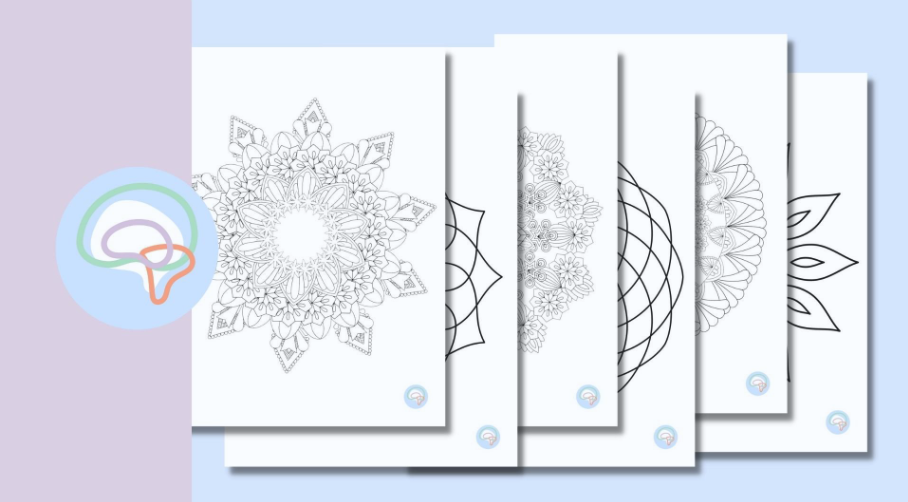
Mandalas
Creating and using mandalas is both an art from and a meditation tool, and they can help to facilitate a therapeutic space for self-reflection. In fact, some studies have shown that mandalas can be effective in reducing anxiety (Mantzios & Giannou, 2018).
Zentangles
Studies have followed the use of Zentangle-based interventions in schools and with adults. Kindergarteners using the method were found to have enhanced their fine motor skills, language experience, and self-confidence and adults using the method regularly saw reduced stress and anxiety and improved self-compassion.
Draw in the Dark
Drawing in the dark is a simple way to let go of self-judgment and allow ourselves the space to create. In doing so, we can turn that space into a space of reflection and express thoughts, feelings, or emotions freely on our paper.


Reading materials
Test and performance anxiety
Tried and true strategies that have helped others feel well-prepared before exams.
Helping students transition back to school after summer
How to build an environment that helps students cope with the anxiety of going back to school.


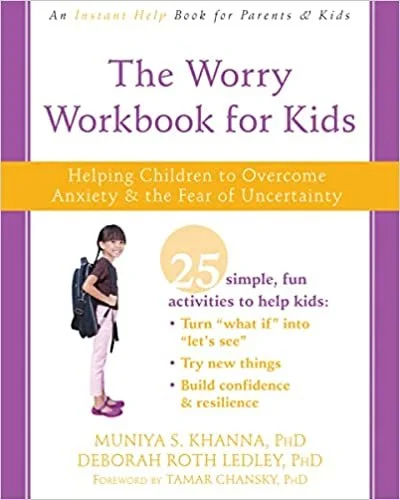
”In The Worry Workbook for Kids, two respected psychologists offer fun, action-based activities grounded in cognitive behavioral therapy (CBT) to help your child move past fears of uncertainty, set and accomplish goals, and—most importantly—enjoy being a kid.” (Buy)


“Blink, Blink, Clop, Clop was written to give parents and professionals an entry into talking with children about OCD. Children can relate their own experiences to those of Henrietta, Daisy, Snort, and Biscuit, a group of farm animals who have obsessive thoughts and compulsions that turn out to be caused by a bullying and mischievous insect named O.C. Flea.” (Buy)

“This fun and humorous book addresses the problem of anxiety in a way that relates to children of all ages. It offers creative strategies for parents and teachers to use that can lessen the severity of anxiety.” (Buy)

Managing holiday anxiety in children
Tips for helping children manage holiday stress and anxiety.
What does it mean to be resilient?
A deep dive into the youth mental health crisis and anxiety disorders.
“With this guide, you’ll learn to help kids feel more in control of their moods and emotions; cope with difficult experiences; and recognize the first signs of stress and anxiety in both their mind and body, so they can find quick relief. You’ll also discover a wealth of tips and strategies to help you manage your own anxiety.” (Buy)
Helpful links

A resource for parents to manage anxiety in children through resources like a blog, symptom checker, learning modules for kids, an online parenting program, and more
Comprehensive list of anxiety publications, hotlines, organizations, and treatment information
Link



25 fun mindfulness activities for children and teens

Parents Medication Guide to Anxiety Disorders by the American Psychiatric Organization