
Why Comfort Objects Help Kids Through Transitions
We encounter various stages in our development, all throughout childhood as well as adulthood. Children travel through a journey of many transitions, including but not limited to: a new friendship, moving to a new home or school, a new friendship, a new grade at school with a new teacher, and many other times that may feature excitement or may feel overwhelming. In the moments where the transition may be stressful, it is essential to support your child’s needs and give them a security space.
There are ways to help ease children into their new experiences, by providing factors of safety and resilience. One way is introducing small items or noticing the items that serve as a “security” or “comfort” object.
For Noticing Comfort Objects:
Pay attention to what items around them bring joy or comfort.
Often these items are small, that children can use or hold, and are easily transportable to other locations.
Think of stuffed animals, blankets, and other items of softer textures (e.g., clothing, fabrics)
Have a dialogue with your child, to check in with their feelings about the object.
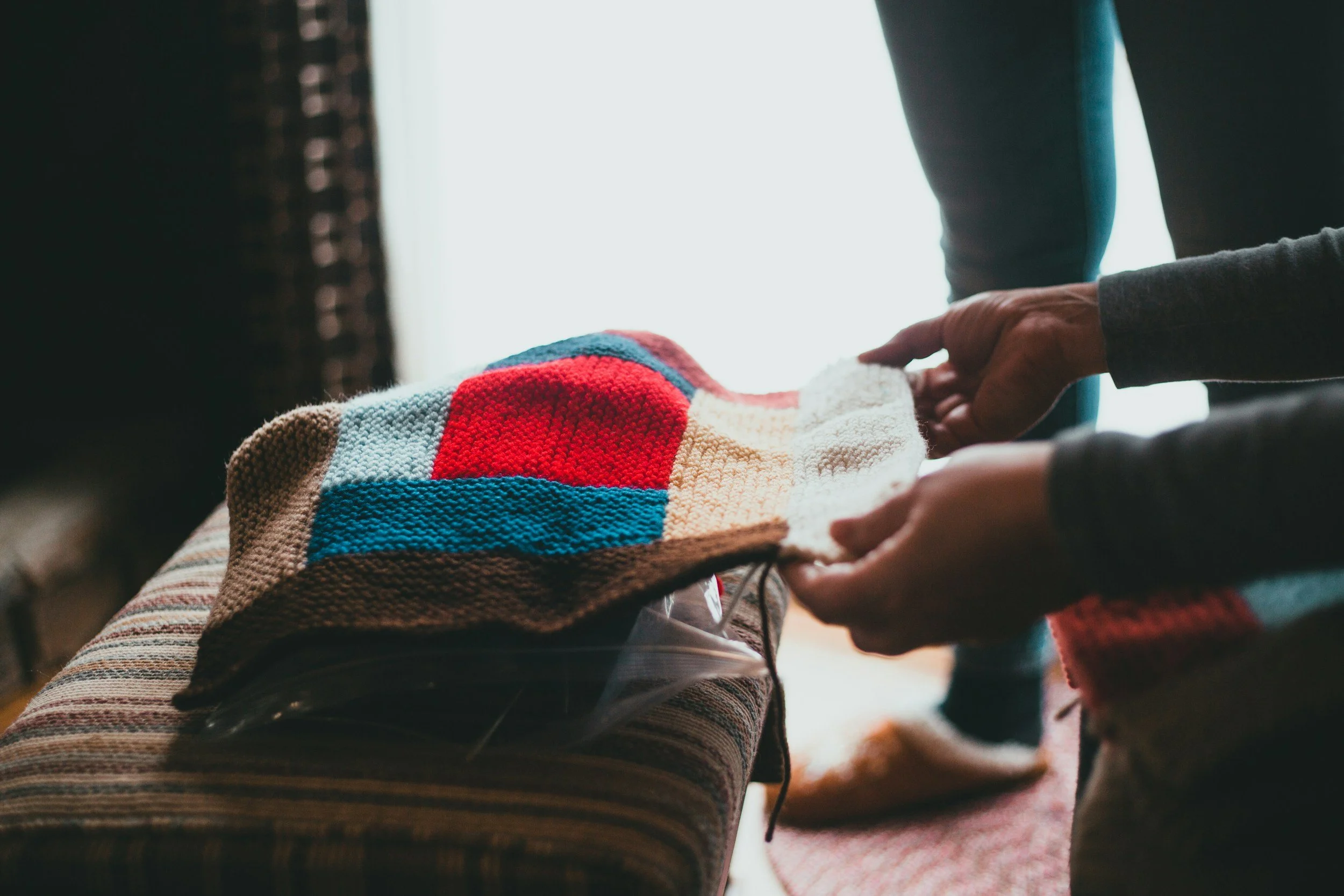
Jennifer Birckmayer of Cornell University states that security objects “provide constancy during a period of rapid change. Holding the security blanket or object allows the child to experience familiar feelings of security and face new, even frightening, events such as separation from parents.” (Cornel Cooperative Extension) The world can be stressful as life rapidly changes, however, comfort objects can contribute as safeguards through these processes.
The National Children Traumatic Stress Network is an example of an organization that provides important tips and resources, such as discussions of psychological first aid and disaster recovery, for families experiencing traumatic events. Trauma-informed care is utilized by some counselors and therapists and “emphasizes safety, trustworthiness and transparency, peer support, collaboration and mutuality, empowerment and choice, and awareness of the intersectional influence of culture, history, and gender.” (SAMHSA)
Children and adolescents participated in one study that aimed to utilize NCTSN’s trauma-informed organizational assessment to note the shortcomings at their mental health facility. “They noted physical aspects of the unit, such as poor lighting, the absence of comforting items, and frequent loud noises and echoing hard surfaces that could be triggering. They described inpatient units as “stark,” “harsh,” “institutional,” “creepy,” and “bare,” lacking a sense of warmth, comfort, and physical safety that would be beneficial to youth with a trauma history.’” (NLM)
Although this research and these resources emphasize trauma-informed care, there is a major benefit to validating comfort items at any stage of a child’s development and for any stressful circumstance they may face.
More Tips for Parents and Educators:
Normalize the attachment, and recognize the de-stressing and security aspects of the item.
Bring the comfort object during moments of transition, such as the first day of daycare or school, a trip to a new location, moving day, or a doctor’s visit.
Notice when the comfort item interferes with children’s daily life activities (e.g., eating, playing) and friendships. Seek professional advice if distress is present.
The Chicago Psychoanalytic Institute advises the following: honor the child’s attachment to the comfort item, and avoid taking the item from the child and allow the child to leave the item at their own pace.
