From Burnt Out to Back on Track

Why does everything feel so hard?
Have you ever sat down to do homework, opened your laptop, and then somehow ended up cleaning your room, scrolling through your phone, or staring at the wall instead? You know you have things to do, but for some reason you just can't bring yourself to start.
I've been there.
My burnout story
During my junior year, I was balancing classes, extracurriculars, test prep, volunteering, and trying to have some sort of social life. I kept telling myself that I just needed to work harder, but eventually I hit a point where I was completely exhausted. Every assignment felt like another obligation, and even things I used to enjoy started feeling like work.
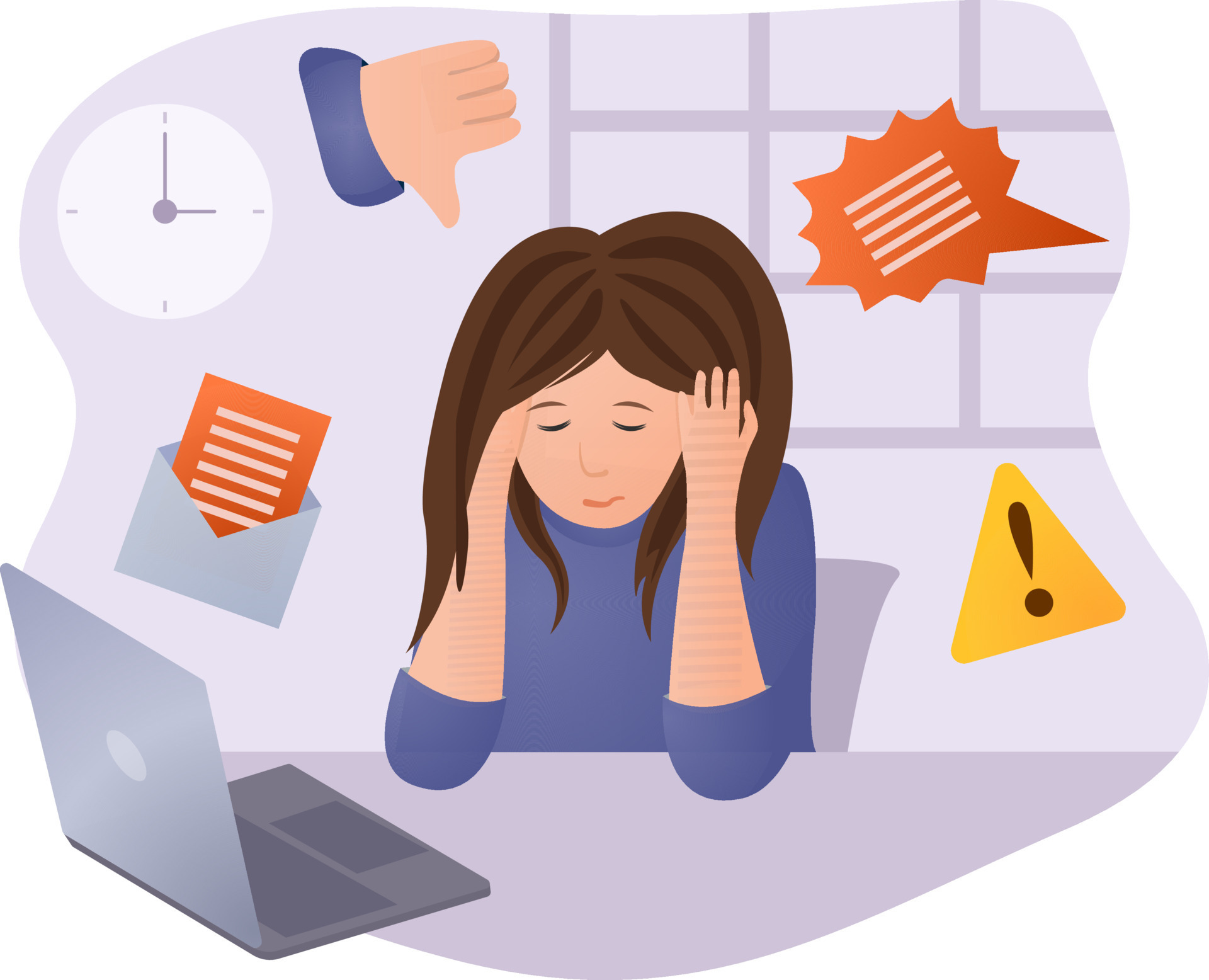
I remember looking at my to-do list one afternoon and feeling overwhelmed before I had even started. Instead of getting things done, I avoided everything because it felt easier than dealing with the stress.
That's what burnout can feel like. It isn't always dramatic. Sometimes it just looks like sitting at your desk for an hour and getting absolutely nothing done because your brain is too tired to function.
Why we lose motivation
I also think people lose motivation when they stop enjoying what they're doing. When every task feels like something you have to do instead of something you're excited about, procrastination starts to feel comforting. You tell yourself you'll do it tomorrow, but tomorrow turns into next week, and suddenly the pile of work is even bigger than before.
So how do you get unstuck?

What helped me get back on track
For me, the biggest thing was realizing that I couldn't spend every waking minute trying to be productive. I needed to make time for things that made me happy. Whether it was listening to music, going outside, watching a show, or spending time with friends, taking a real break helped me recharge instead of feeling guilty for not working.
I've also learned that breaks are productive. Your brain isn't meant to focus for hours without stopping. Sometimes walking away for fifteen minutes is exactly what you need to come back with a fresh perspective.
Small steps make a big difference
Another thing that helps me is thinking about the feeling I'll have when I'm finished. Instead of focusing on how difficult the assignment seems, I imagine how relieved I'll feel once it's done. That small shift in mindset makes it easier to start.
I think anxiety is another huge reason people lose motivation. Sometimes the task feels so overwhelming that avoiding it seems like the better option. But every time I put something off, it only gets harder because the stress keeps growing. I've realized that starting is usually the hardest part. Once I spend even five minutes working, it becomes much easier to keep going.
The “One Thing Rule”
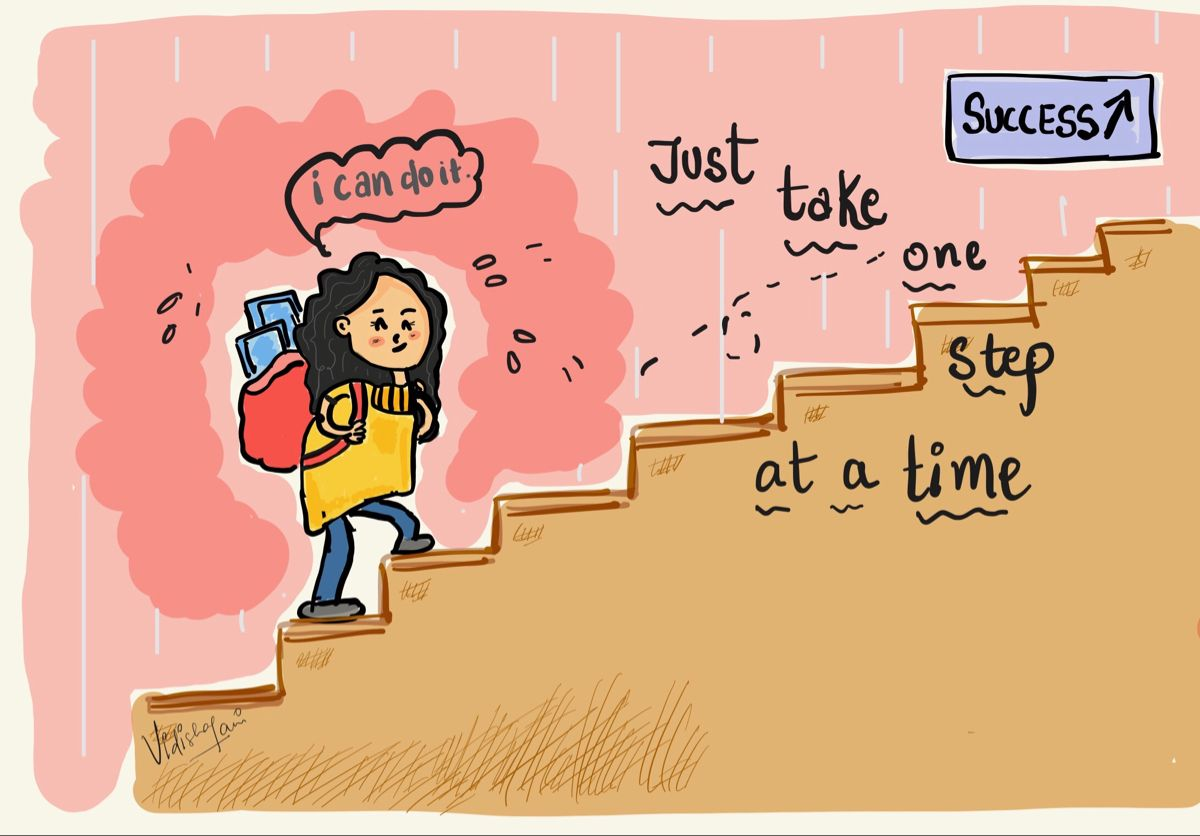
The “one thing rule” is something I come back to a lot when I feel stuck. Instead of thinking about everything I have to do, I just tell myself to do one small thing. Not the whole assignment, not the entire to-do list, just one step. Sometimes that is opening the document, writing the first sentence, or solving one problem. It sounds almost too simple, but it works because it removes the pressure of starting everything at once.
Motivation comes and goes, and that's completely normal. Nobody feels inspired every single day. The important thing is learning how to reset when you feel stuck. Give yourself permission to rest, make time for the things you enjoy, and remember that you don't have to finish everything at once. Sometimes the smallest step forward is all it takes to build momentum again!